
Connecting Wisconsin's Rural and Urban Communities
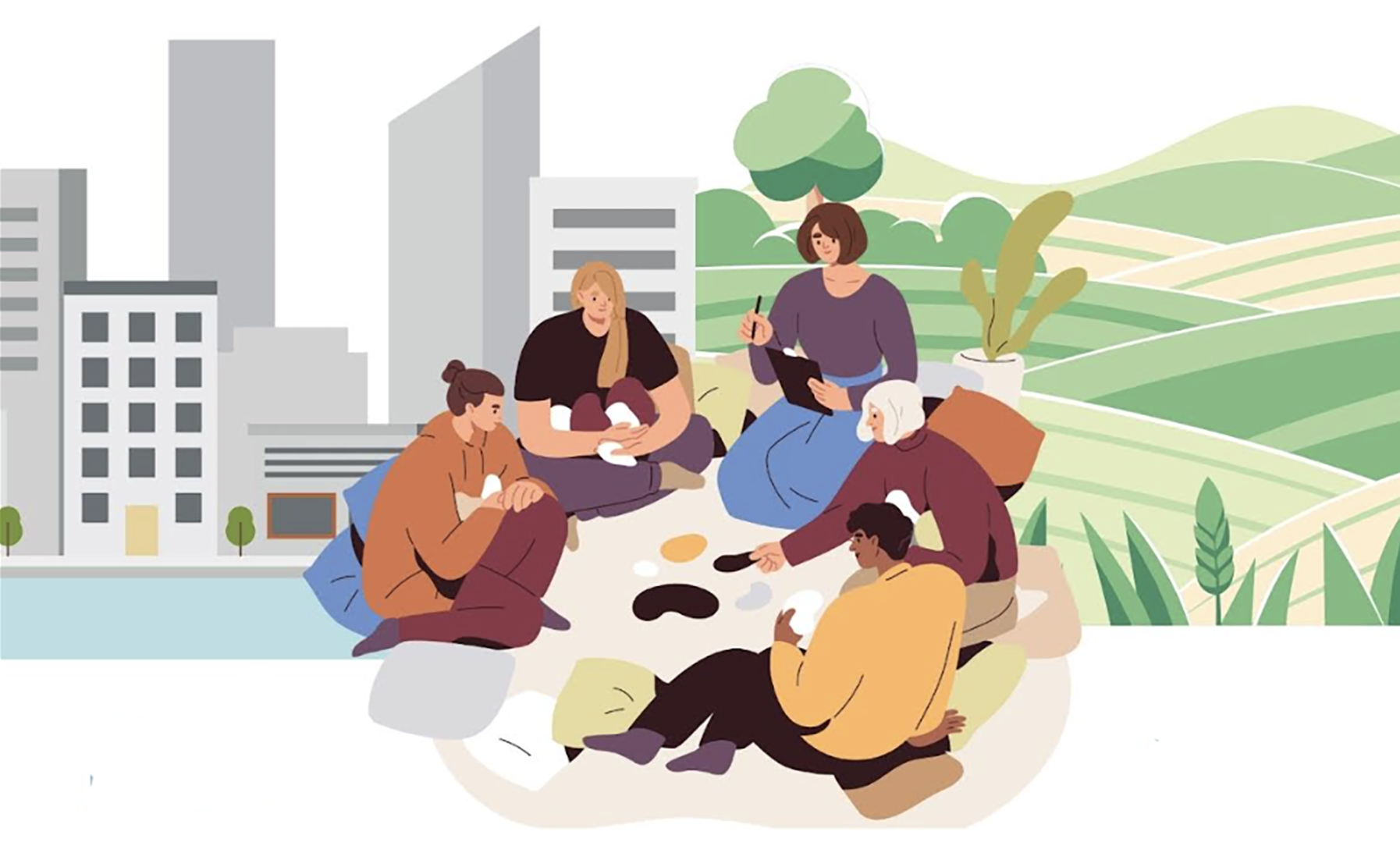
When it comes to voting, Wisconsin is a purple state. Our voters have perspectives as diverse as the geography—from great lakes to mighty rivers, and from forests and dairy farms to major metropolitan cities. At this virtual public forum, our panel of experts will share their perspectives and insights gained from academic and lived experience. They’ll describe factors that affect our perception of rural and urban parts of our state in an environment of media consolidation, gerrymandering, and partisanship. Panelists will share viewpoints on state demographic shifts, actual versus perceived differences between rural and urban communities, and what unites the two types of communities. Attendees will leave with a greater sense of what fosters understanding and collaboration, and how rural and urban communities can support each other.
Our Speakers:
How do the demographics of rural and urban communities compare?
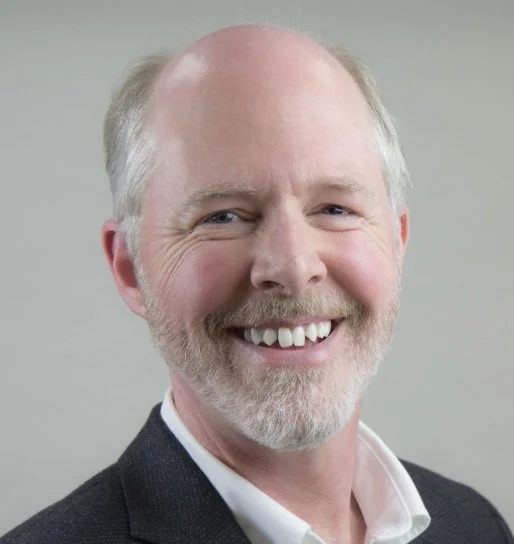
David Egan-Robertson
David Egan-Robertson is Demographer Emeritus with the UW–Madison Applied Population Laboratory (APL). Over his 25 years with the State of Wisconsin and APL, he produced demographic analyses, estimates and projections, from local to national levels.
Download David Egan-Robertson’s slide presentation
What problems are shared and what problems are different between rural and urban communities?
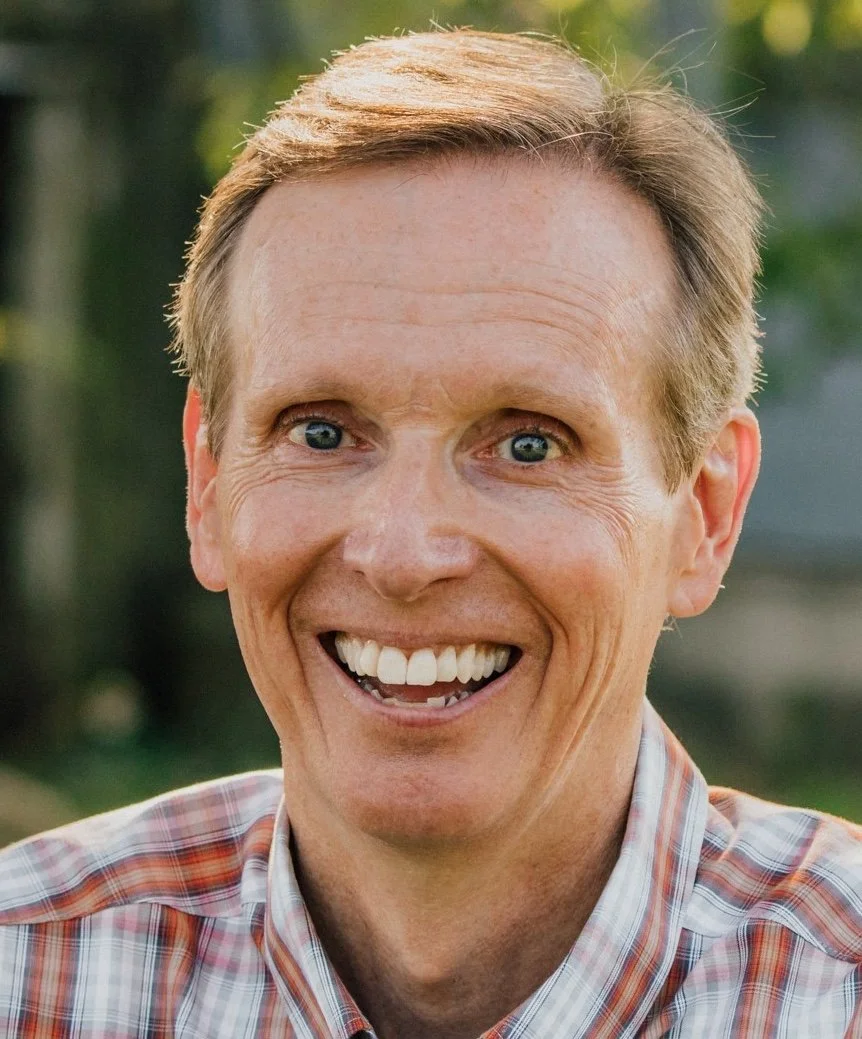
Mike McCabe
Mike McCabe has lived his life straddling America’s rural-urban divide, reared on his family's dairy farm and having called both cities and small towns home, even living abroad for a time. He writes for the online platform Substack, sharing weekly articles in a journal called Ebiyan House, named for a place that figures prominently in his novel Miracles Along County Q. Mike has been a farmhand, journalist, educator and political reform advocate in Wisconsin. As a candidate for governor in 2018, he criss-crossed the state, journeying over 100, 000 miles in 11 months. He led the Wisconsin Democracy Campaign for 15 years and later founded Blue Jean Nation, a grassroots group that describes itself as "commoners working to house the politically homeless and transform parties that are failing America." Mike worked for six years as communications director and legislative liaison for Madison public schools. Before that, he ran a statewide civic education program. He previously worked as a newspaper reporter and as a legislative aide for three Republican members of the Wisconsin State Assembly. With McCabe as executive director, the Wisconsin Democracy Campaign tracked the money in state elections. He helped pass laws that created a public financing system for state Supreme Court elections and established the nonpartisan Government Accountability Board to oversee elections and ethics laws — though both those laws were later repealed during Scott Walker's administration.
How can we build connections between rural and urban communities?
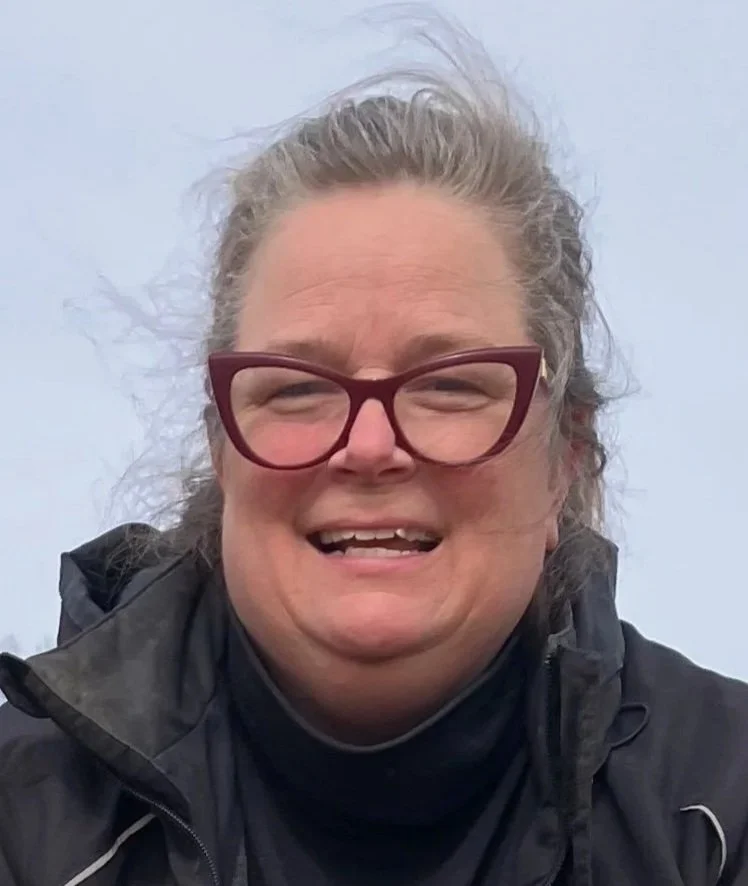
Sarah Lloyd
Sarah Lloyd farms with her husband Nels Nelson in Wisconsin Dells. They are currently in transition from a multi-family dairy farm to new agricultural enterprise and conservation pursuits on their land. She works off-farm as a Value Chain Coordinator for the UMN Forever Green Initiative and the UW–Madison Grassland 2.0 Project. She also works with the Wisconsin Food Hub Cooperative, a farmer-led co-op owned by the farmers and the Wisconsin Farmers Union. Sarah has a PhD in Rural Sociology from UW–Madison and a Masters in Rural Development from the Swedish University of Agricultural Sciences. Sarah is active in the Wisconsin Farmers Union, serving as President of the Columbia County chapter. She is also the President of the Board of the Wormfarm Institute.
Our Moderator
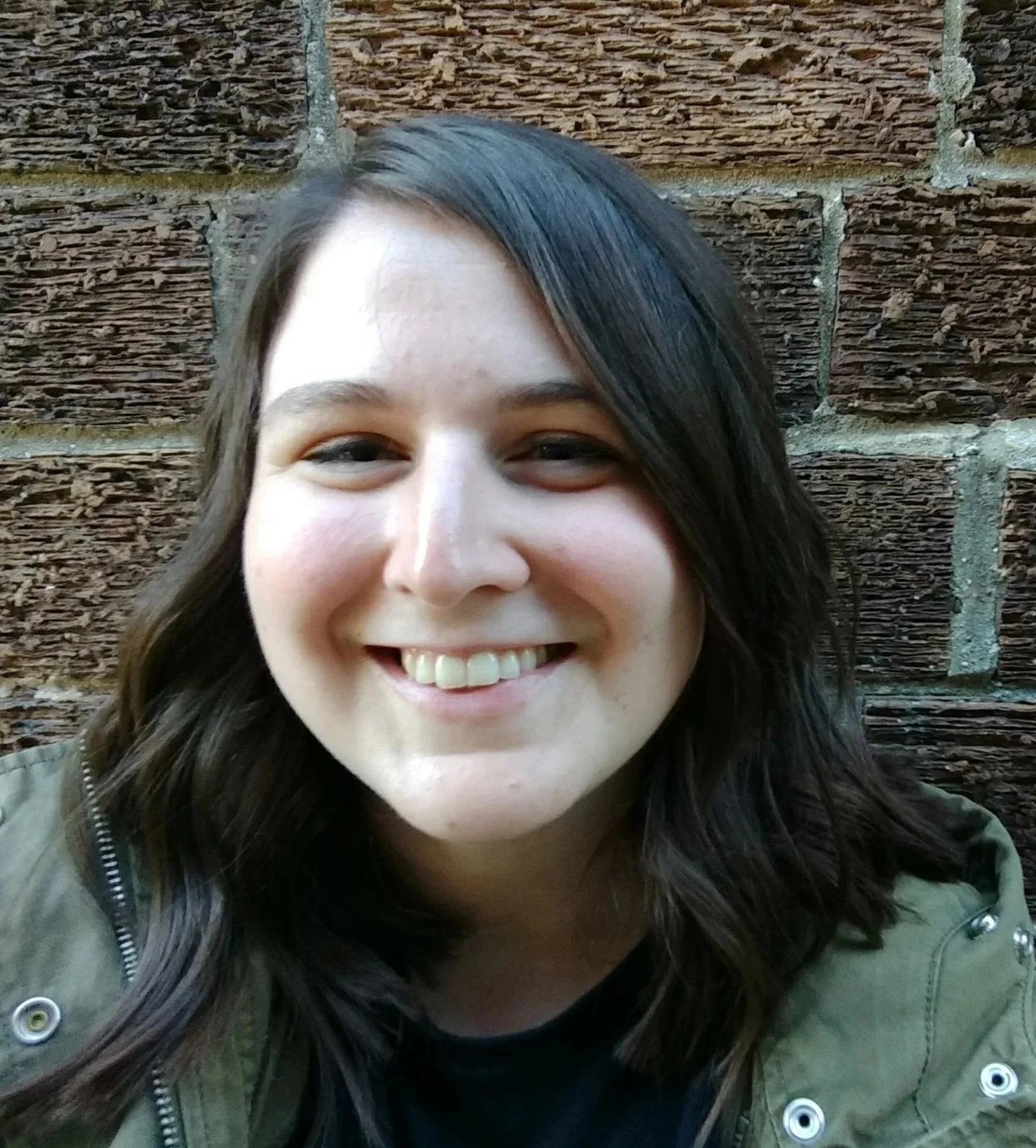
Richelle Wilson
Richelle Wilson is a producer for Wisconsin Today, a statewide talk show from Wisconsin Public Radio, where she writes stories about the news, people, and culture of Wisconsin. Before coming to WPR, Richelle worked as a university instructor, managing editor of the Edge Effects digital magazine and podcast, producer of A Public Affair at WORT 89.9 FM, and co-producer and host of Public Trust, a podcast miniseries about PFAS contamination in Wisconsin. She is a freelance academic editor and holds a Ph.D. in Scandinavian studies from UW–Madison.